
PROJECT OVERVIEW
Goals and Timeline for the whole project
Sandbox
Combat / Action
Physics
Steampunk
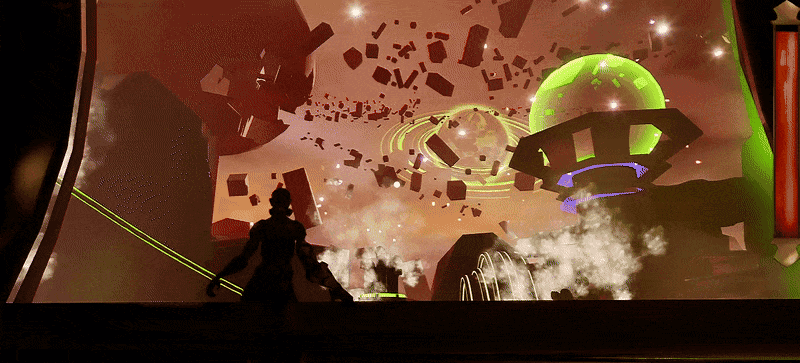
NEILA, as a sandbox game, set in an alien research center. Players use three powers—Telekinesis, Glue, and Zero-Gravity Gas—to explore the environment, battle alien enemies, and find their way out. The level design emphasizes player freedom, system-driven problem solving, and clear spatial guidance to encourage experimentation with powers.
My Responsibilities
Designed the layout and spatial flow of the public part of Alien Research Center
Created combat and exploration spaces supporting physics-based gameplay
Built interactive and technical level props tied to player abilities
Iterated levels based on playtests and power usage patterns
My Objectives
LEVEL DESIGN
Design combat spaces with varied encounter types
Maintain a coherent alien–steampunk visual language
Support free exploration with clear spatial guidance
Level Technical Design
Design Interactive props
Design Props for players to learn power/mechanics
Encourage power combinations through environmental challenges
Project Timeline
Ideation and Preparation
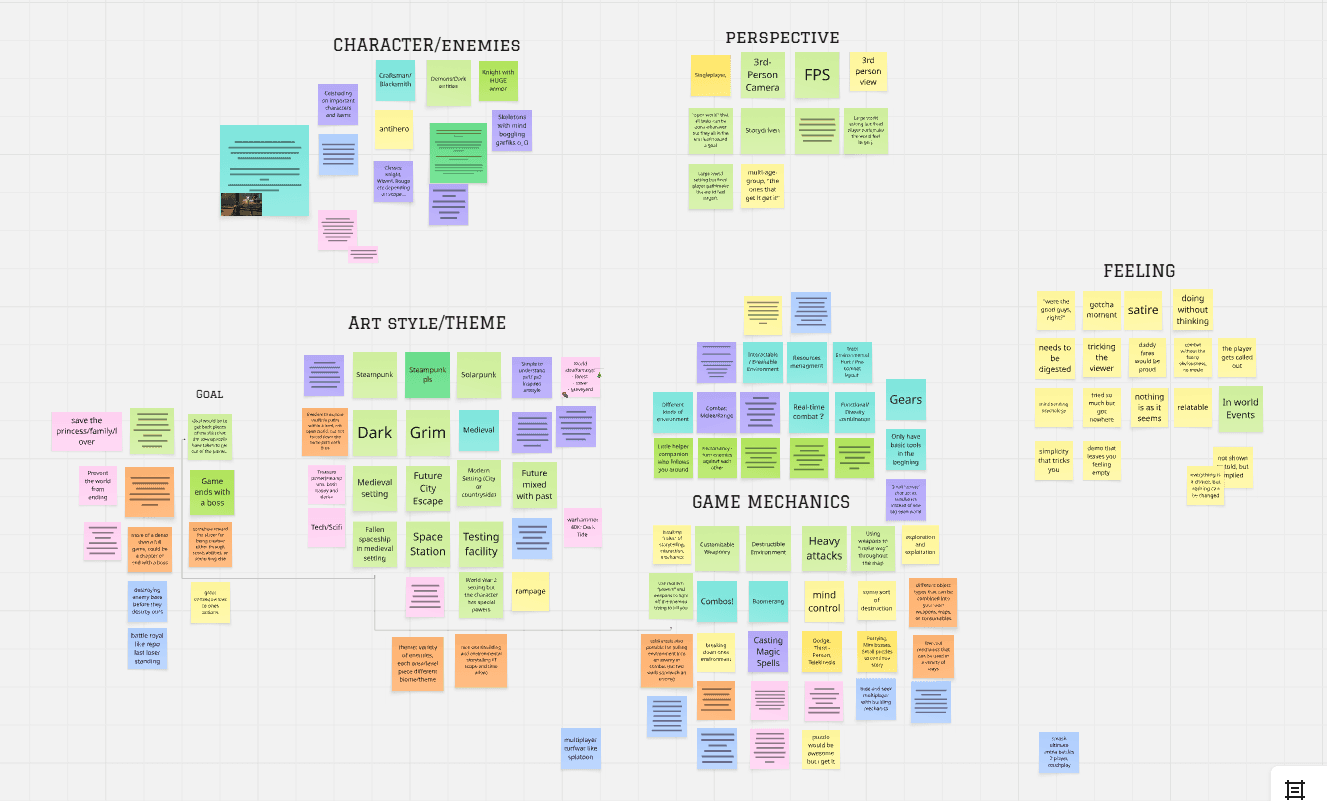
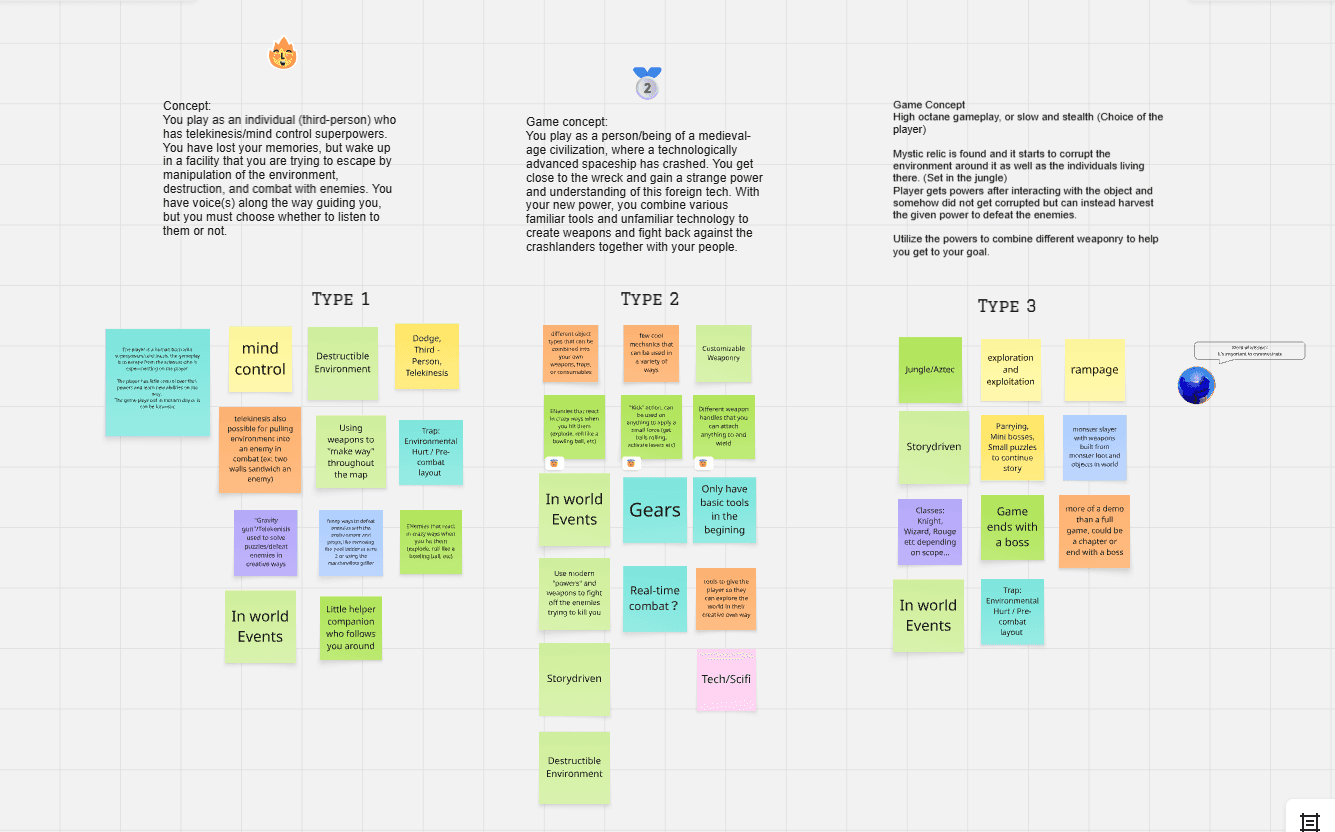
Core ideas from group discussion
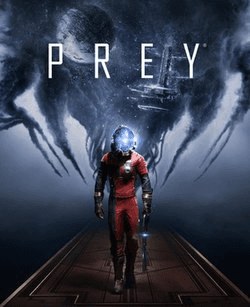
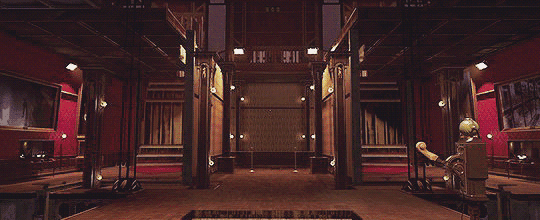
References and Target audience:
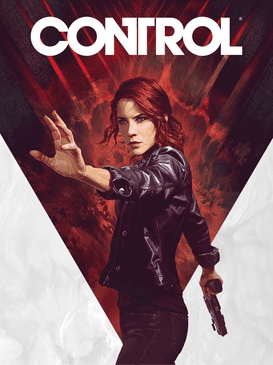
For gameplay and genre-wise, our team took CONTROL and PREY as references. For level design, I took Dishonored series as case studies. Not only for the level can interact to different superpowers, also changeable level for players exploration.
Drawing from our gameplay inspirations, we analyzed their common audiences, noting their likes and dislikes:
Single-player, online-social experience for ages 15-40
Create situations for players to experiment with enemies and the environment
Avoid overwhelming players with an overabundance of weapons or abilities
Level Breakdown
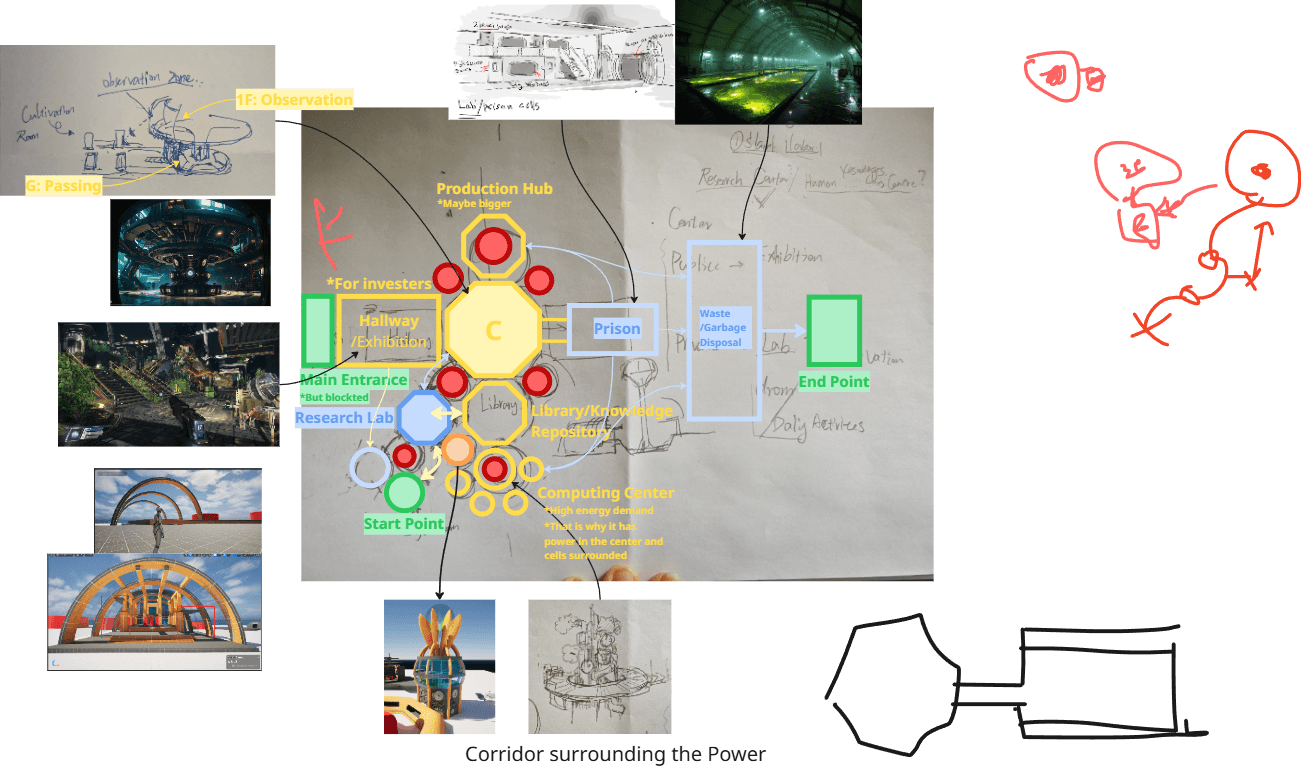
Blockouts and Player Flow of the Level
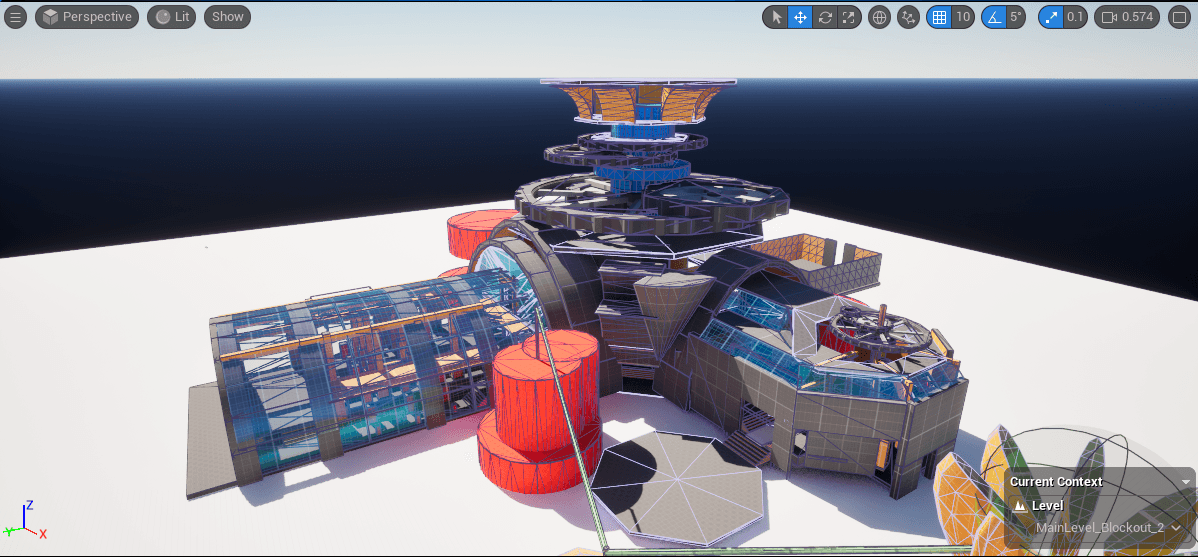
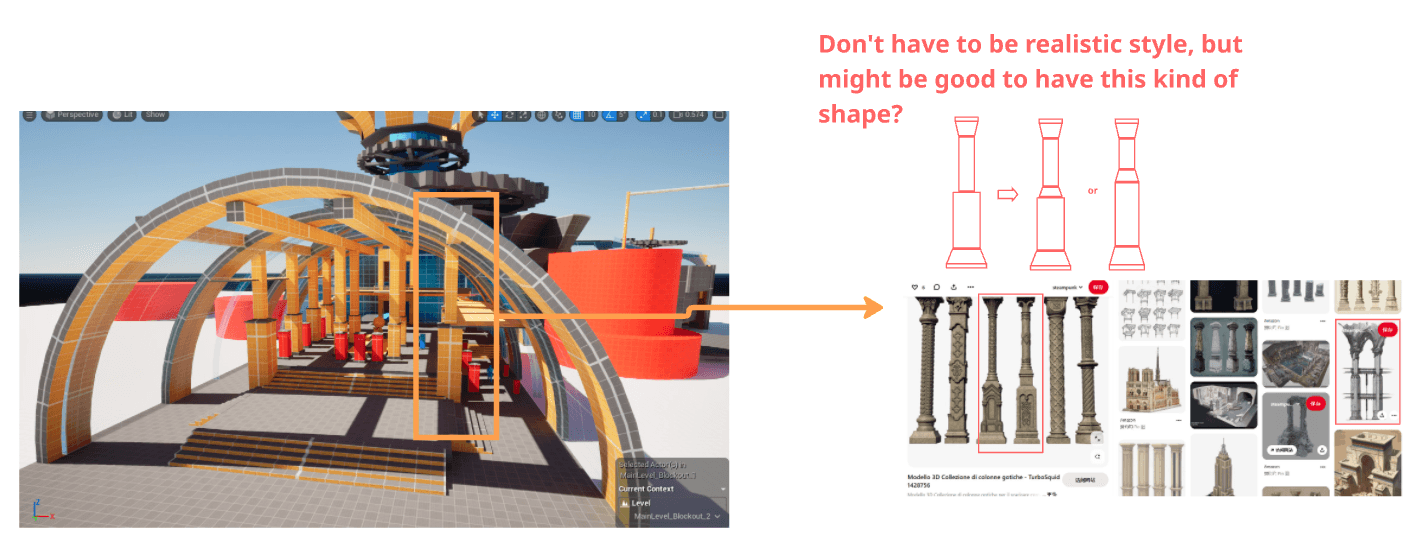
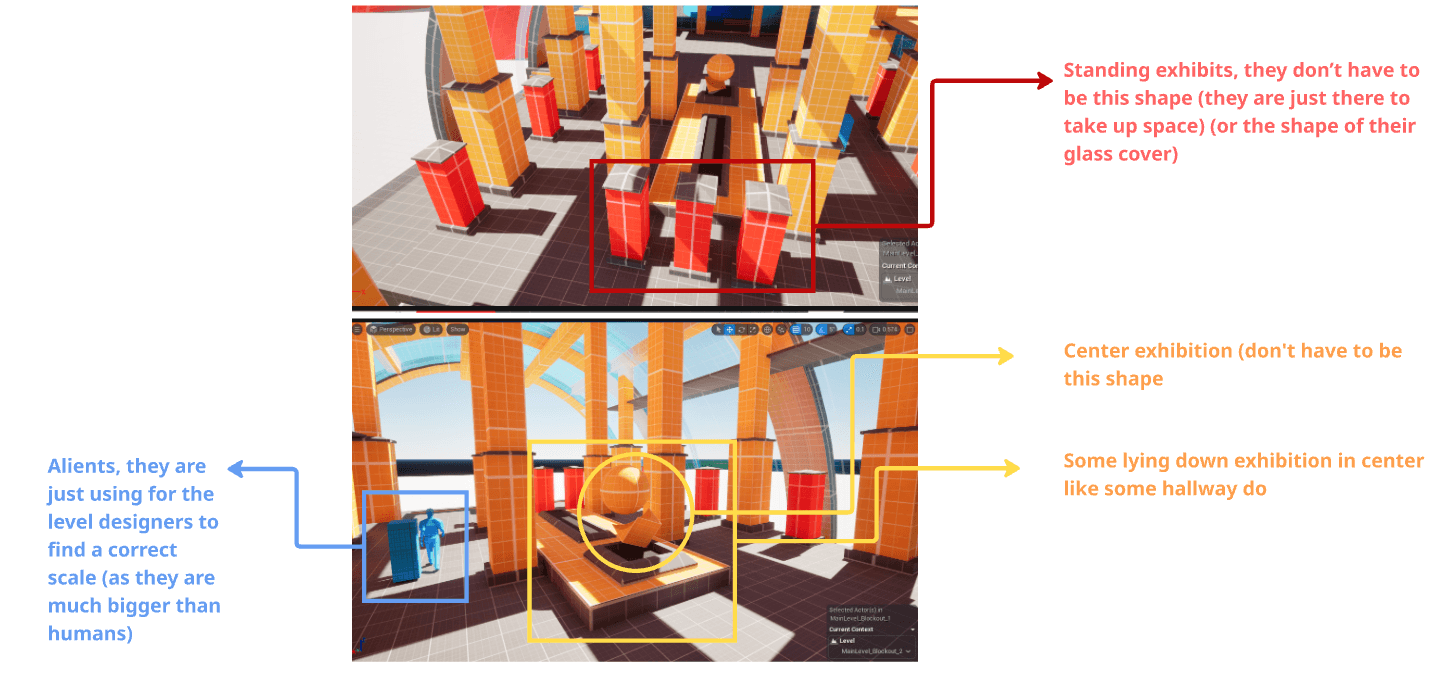
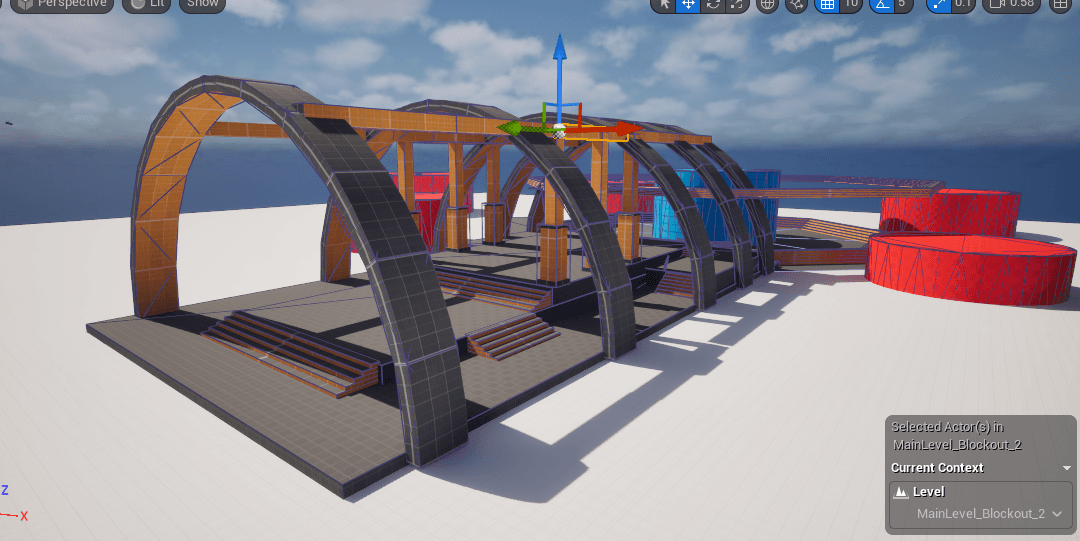
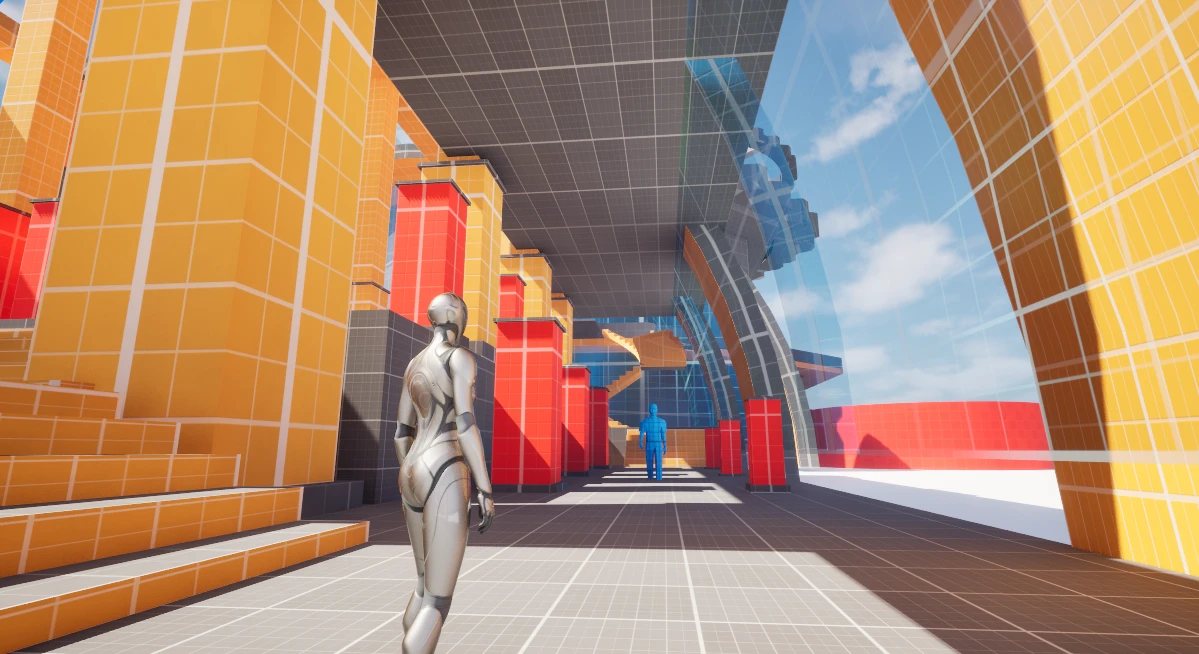
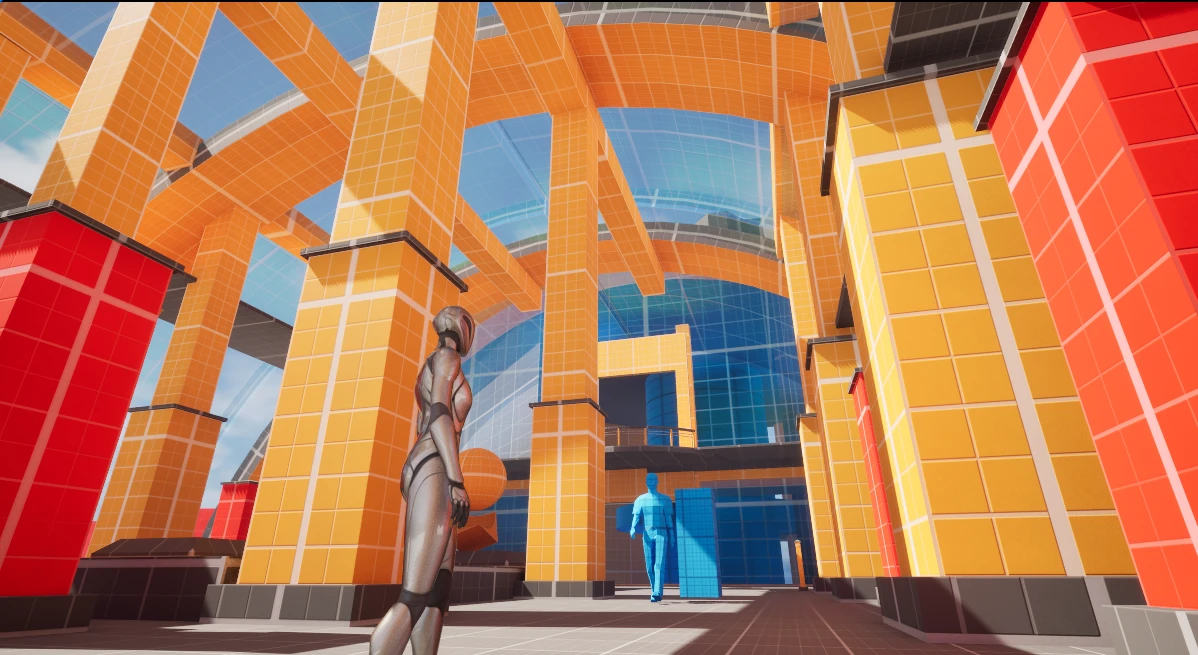
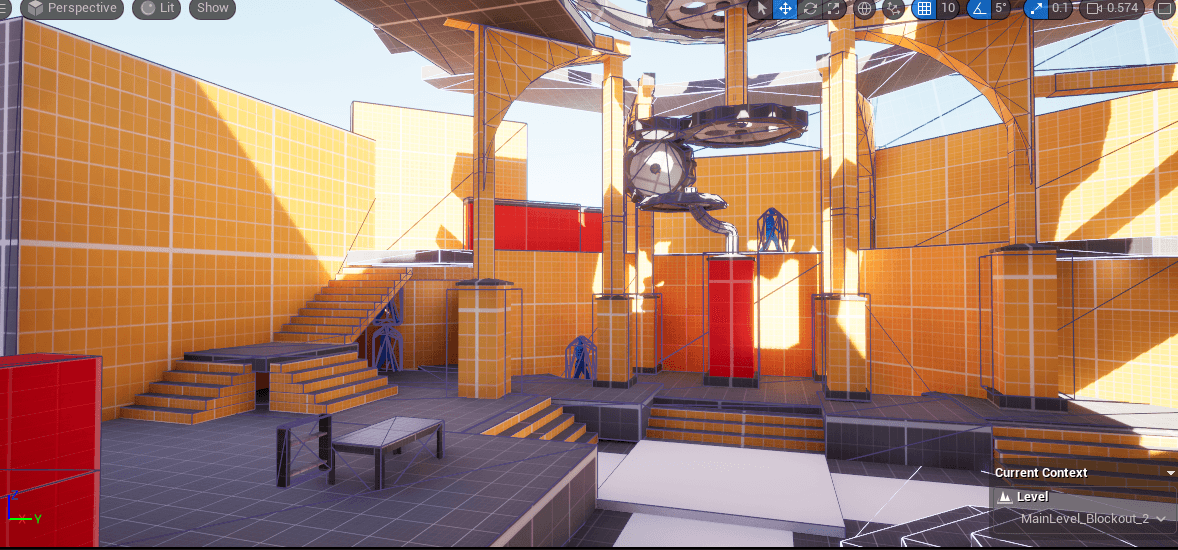
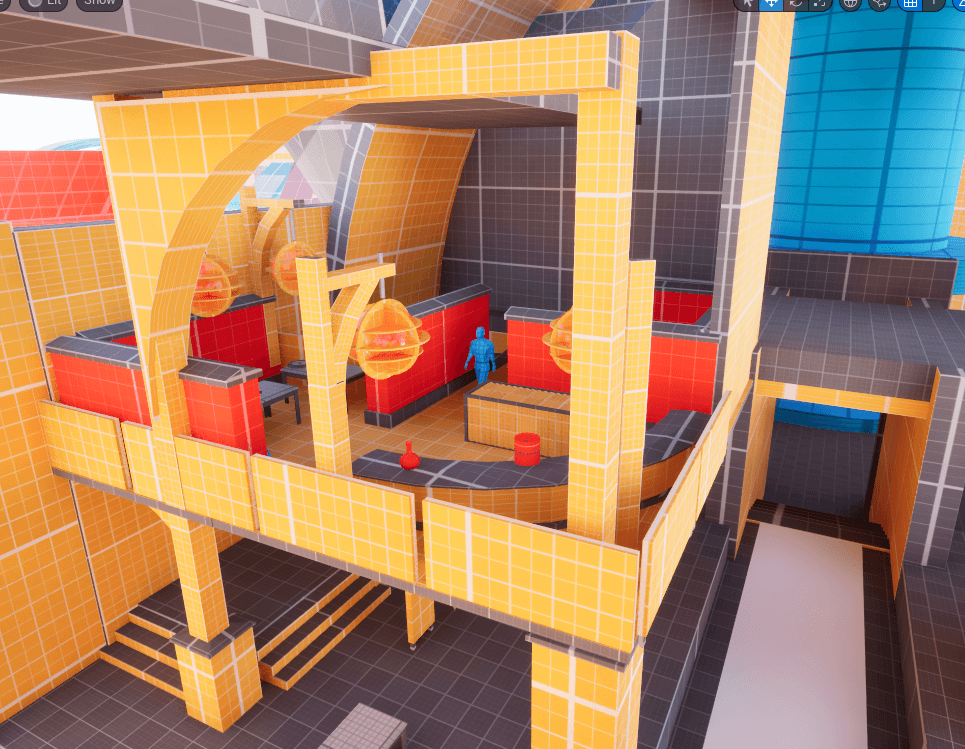
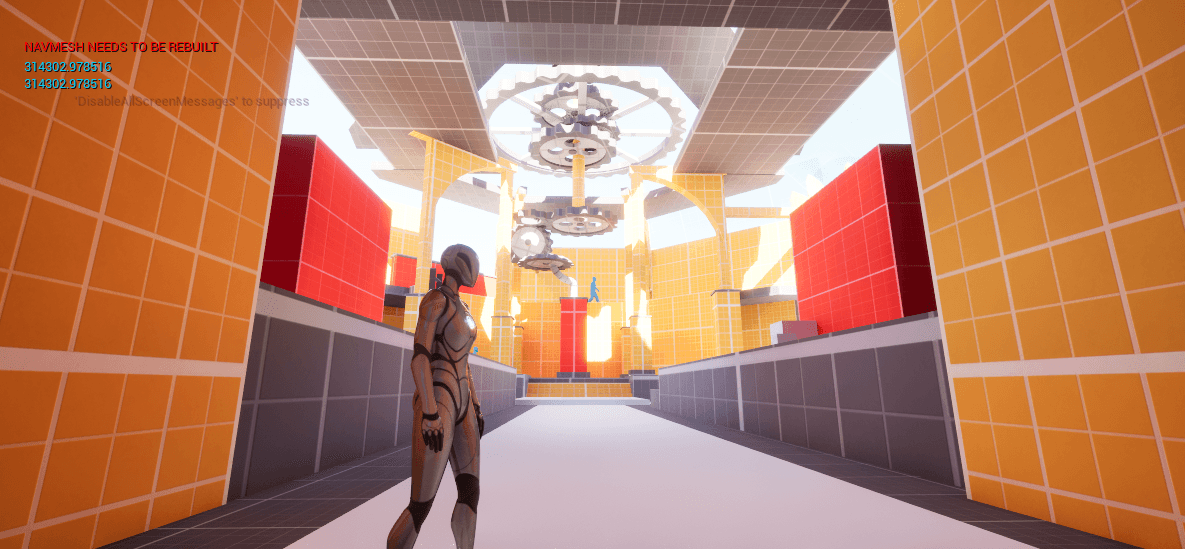
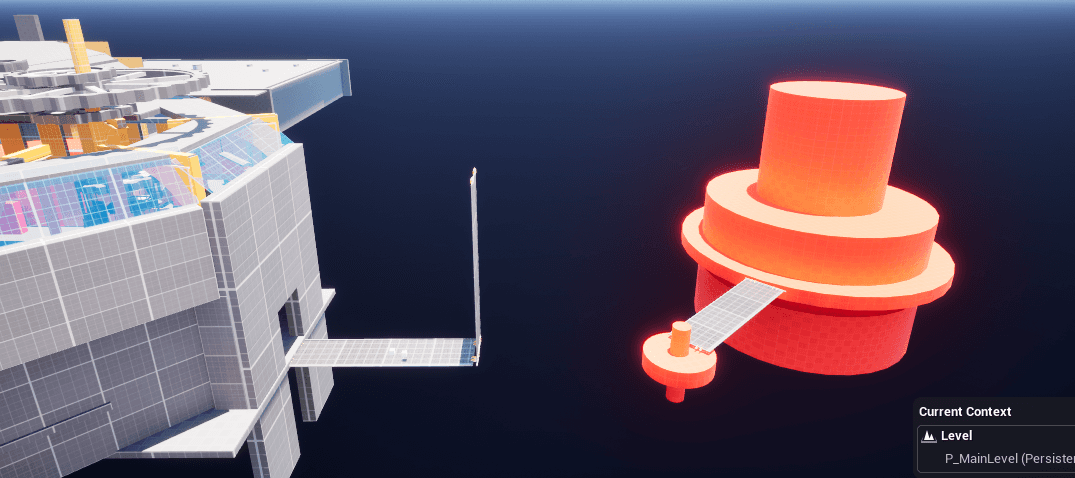
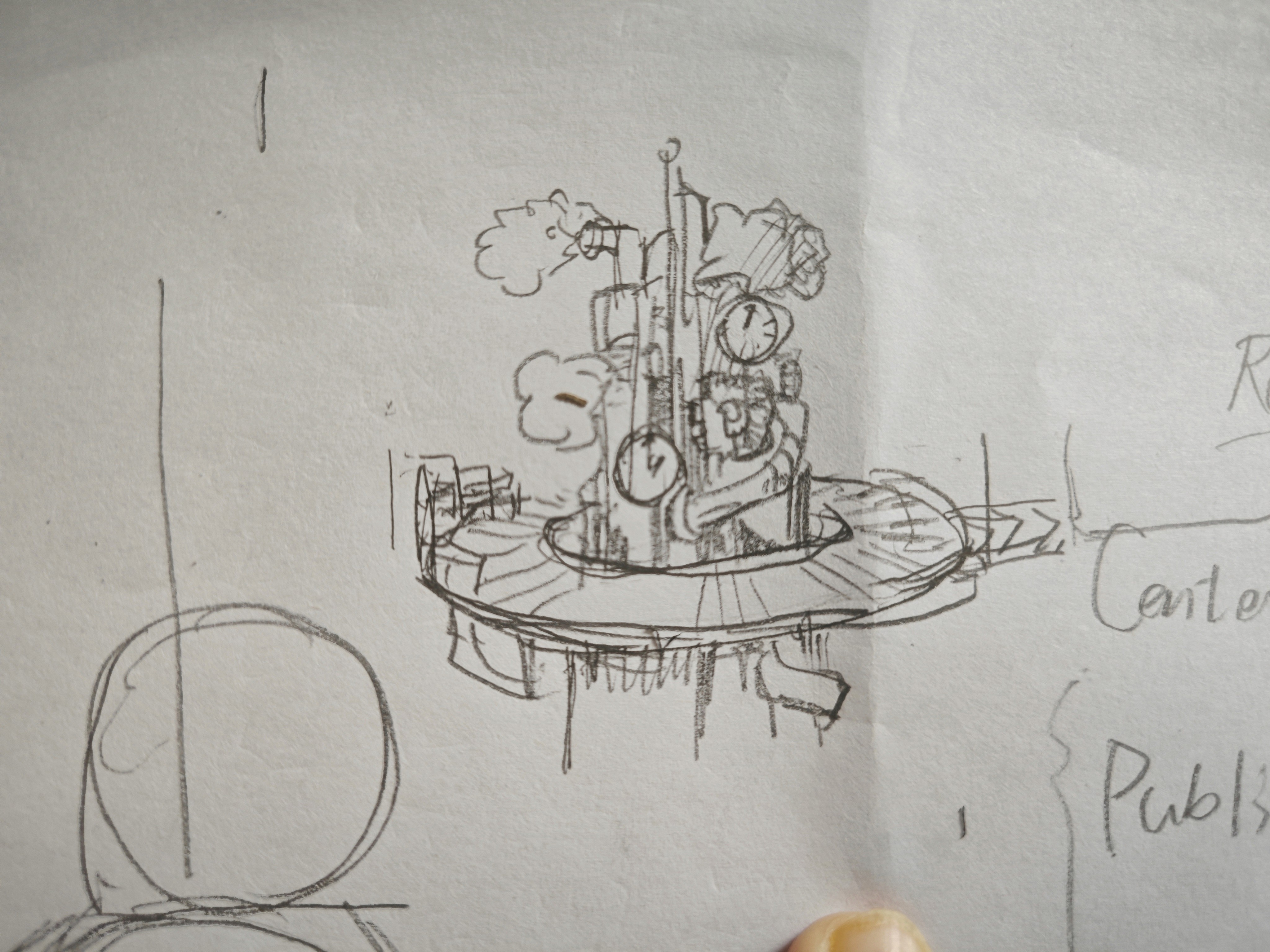
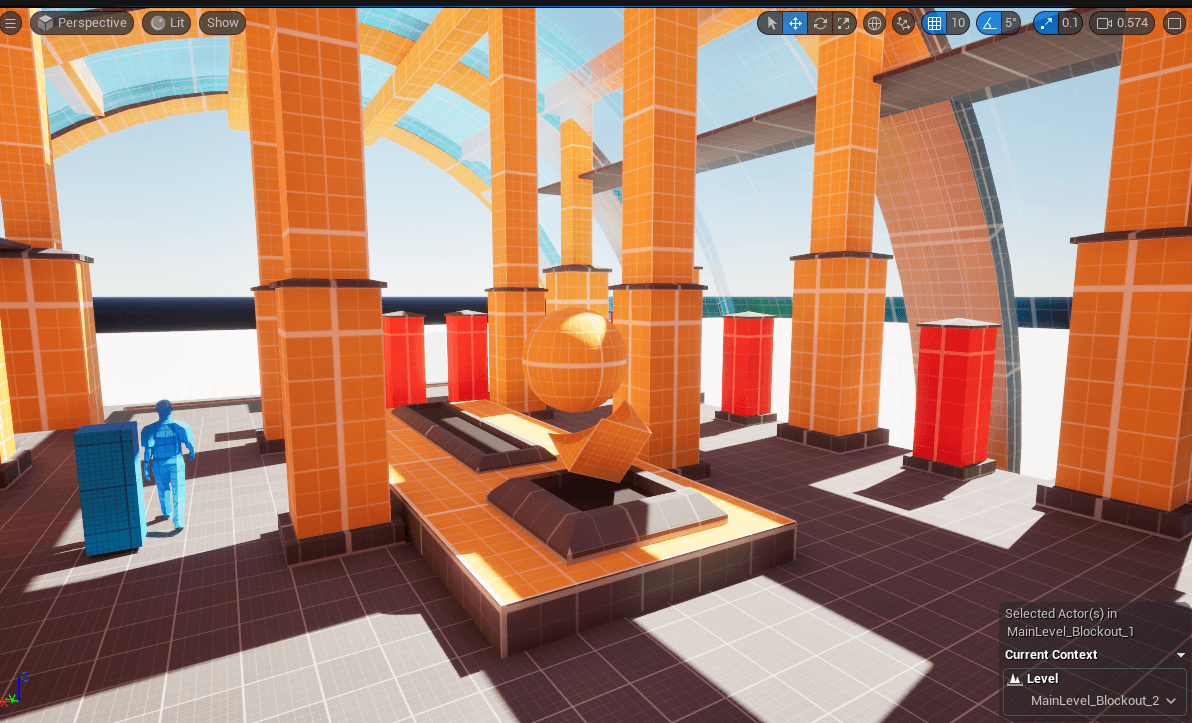
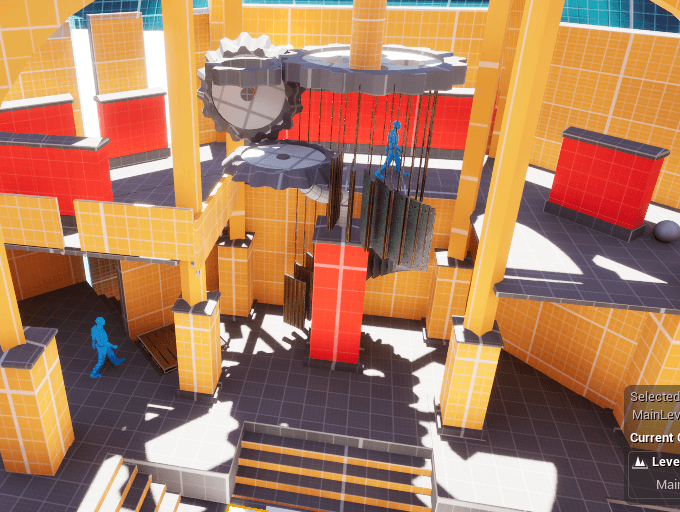
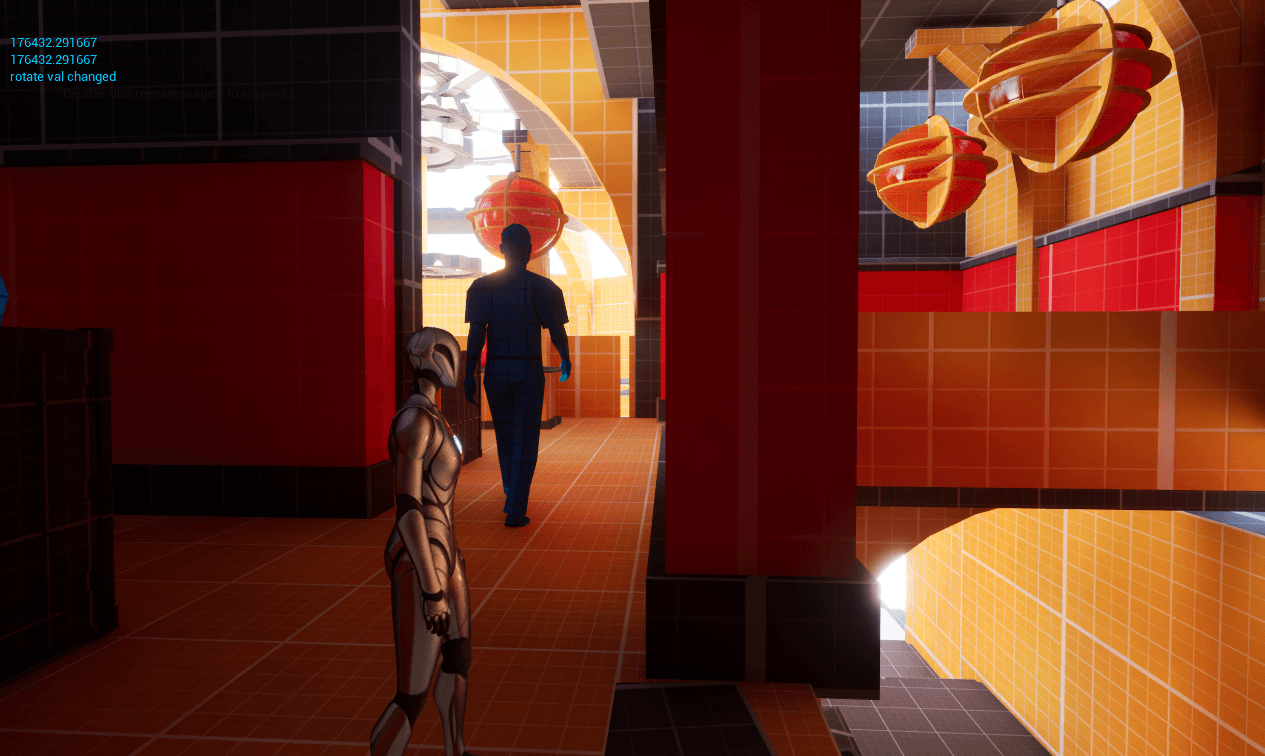
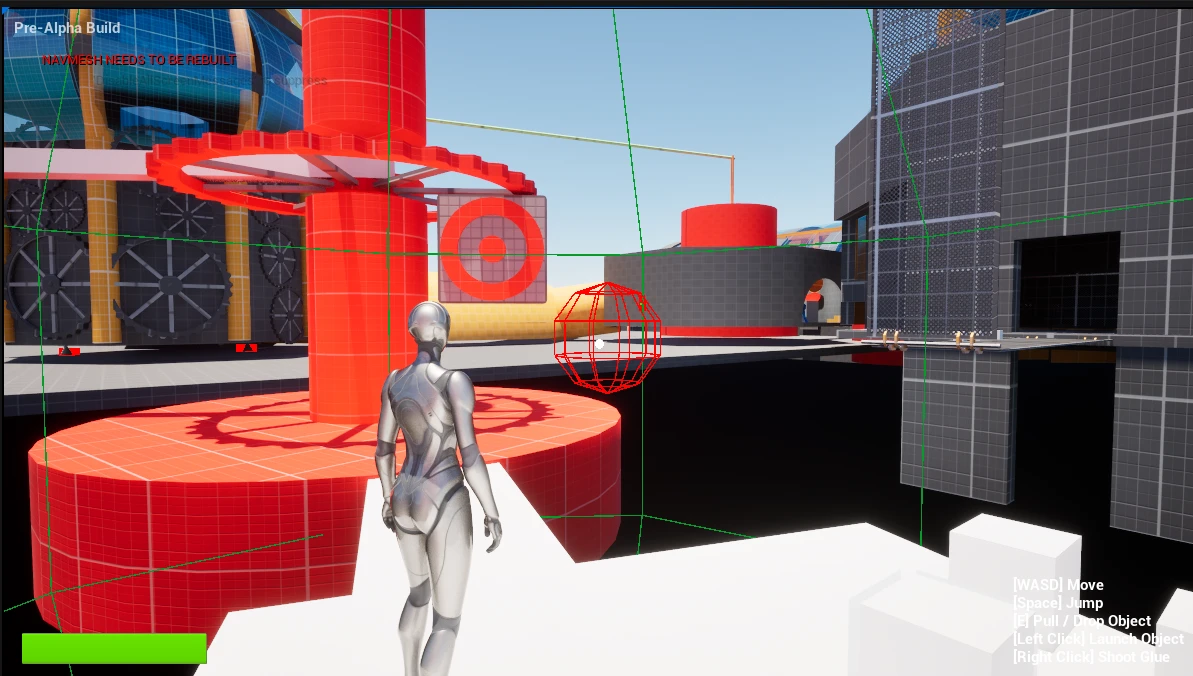
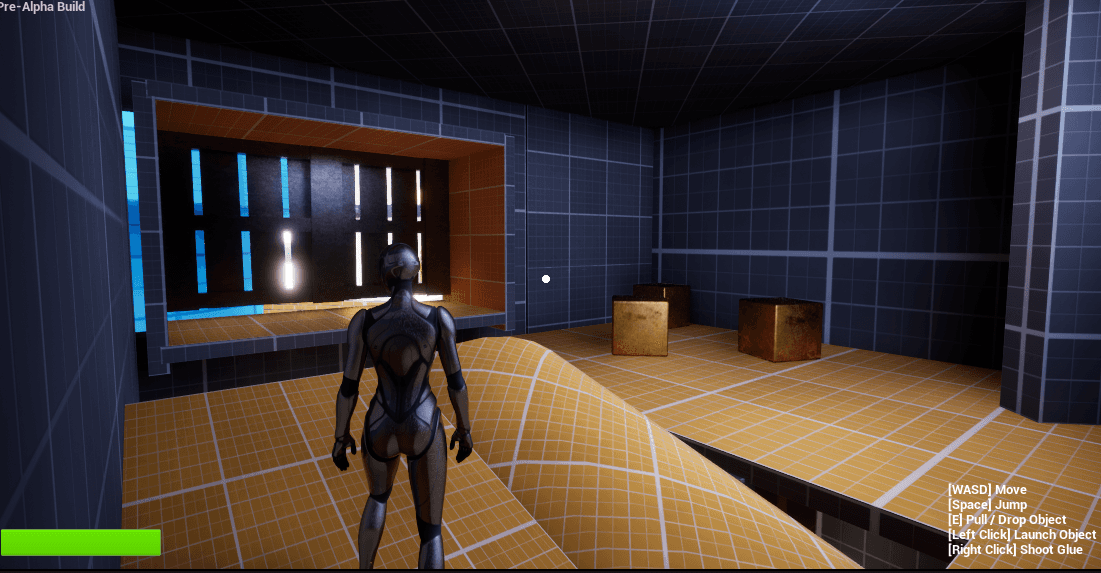
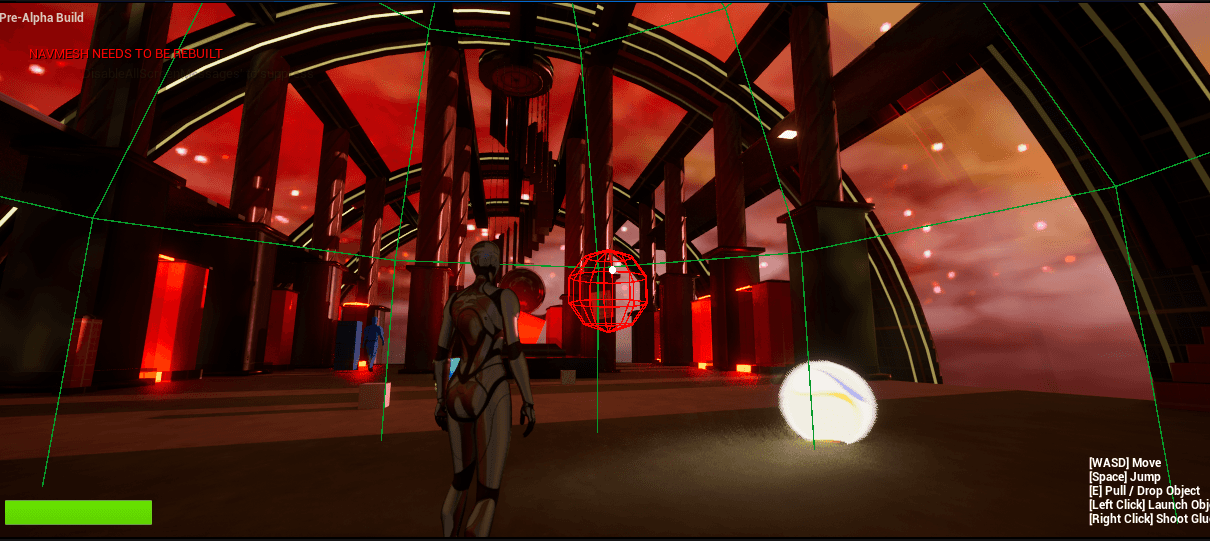
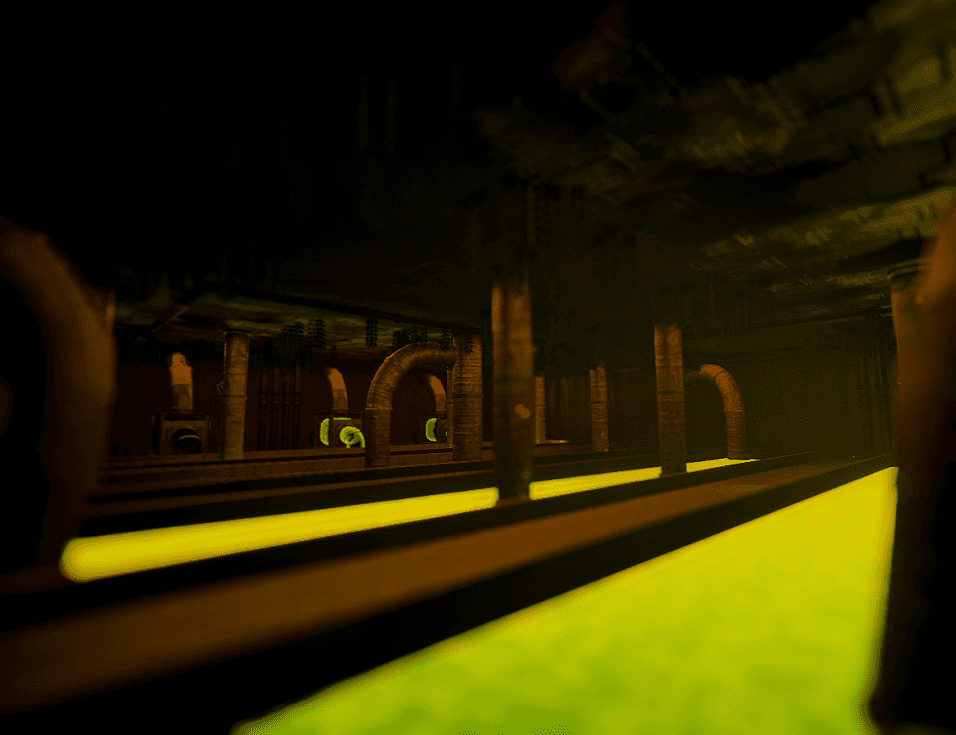
The level blockout was designed around clear spatial logic and player flow. Based on functional use and expected movement patterns, the research institute is divided into public areas (exhibition halls, lobby, library) and private areas (research labs, guard towers, storage, and mechanical spaces).
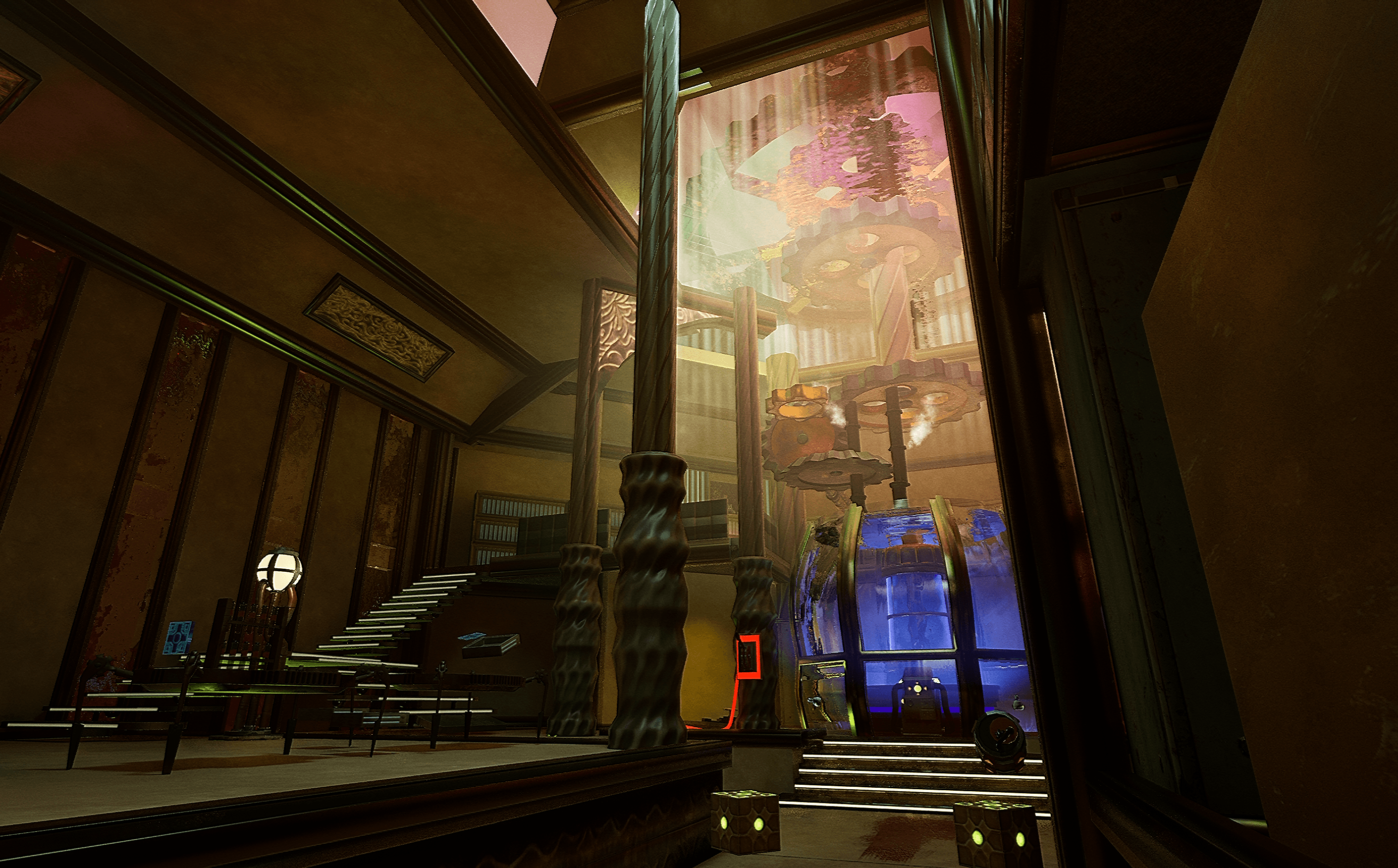
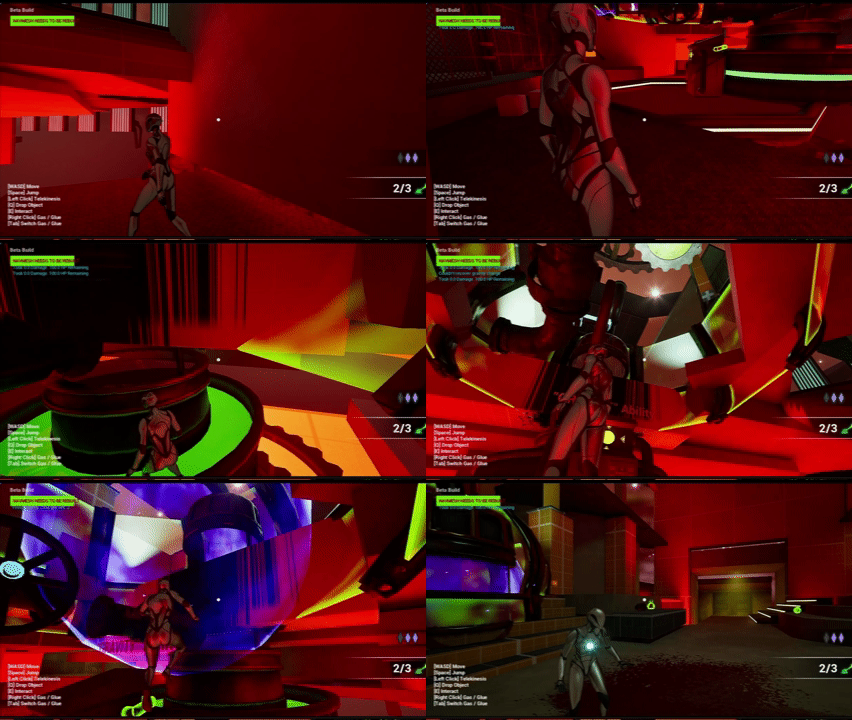
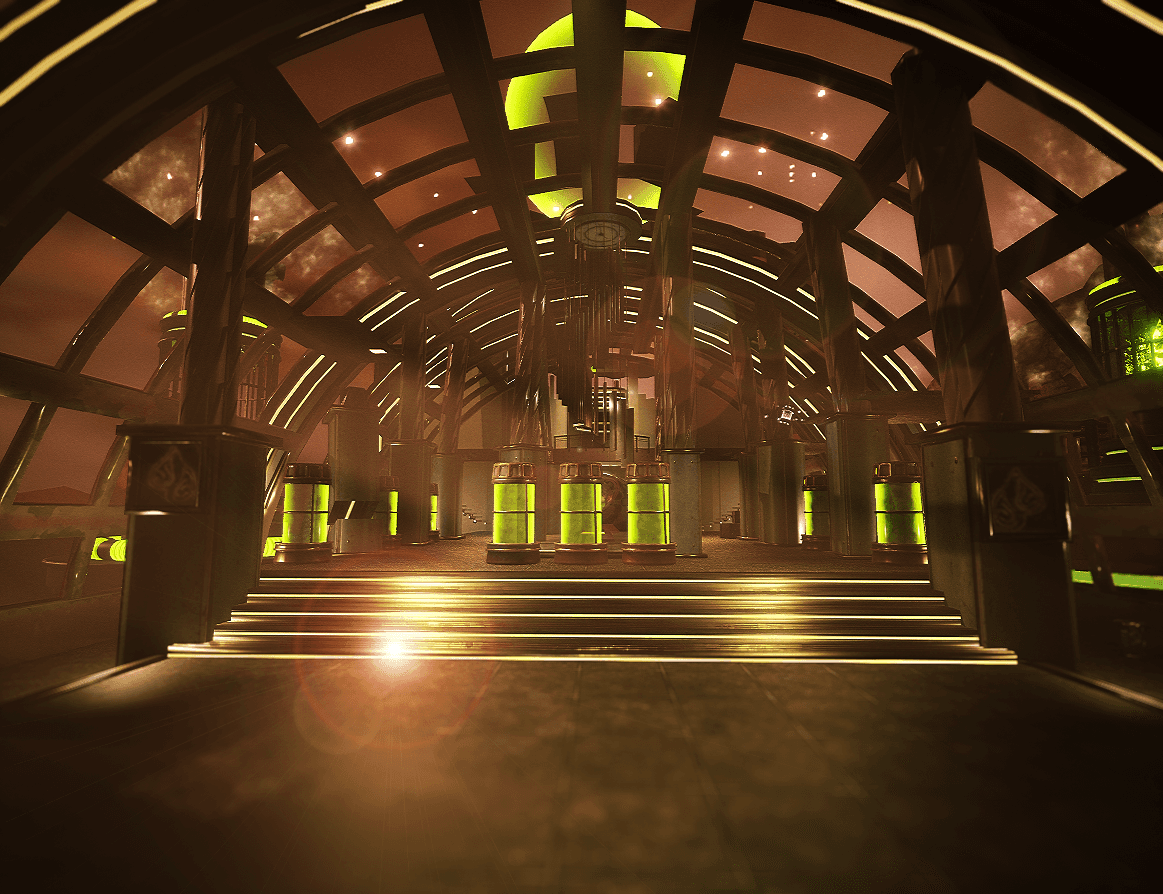
Architecturally, the level combines Victorian-inspired structures with alien and steampunk elements. Increased ceiling heights, exposed gears, and pipe systems reinforce the theme while maintaining readability for traversal, combat, and power usage.
Gameplay loop
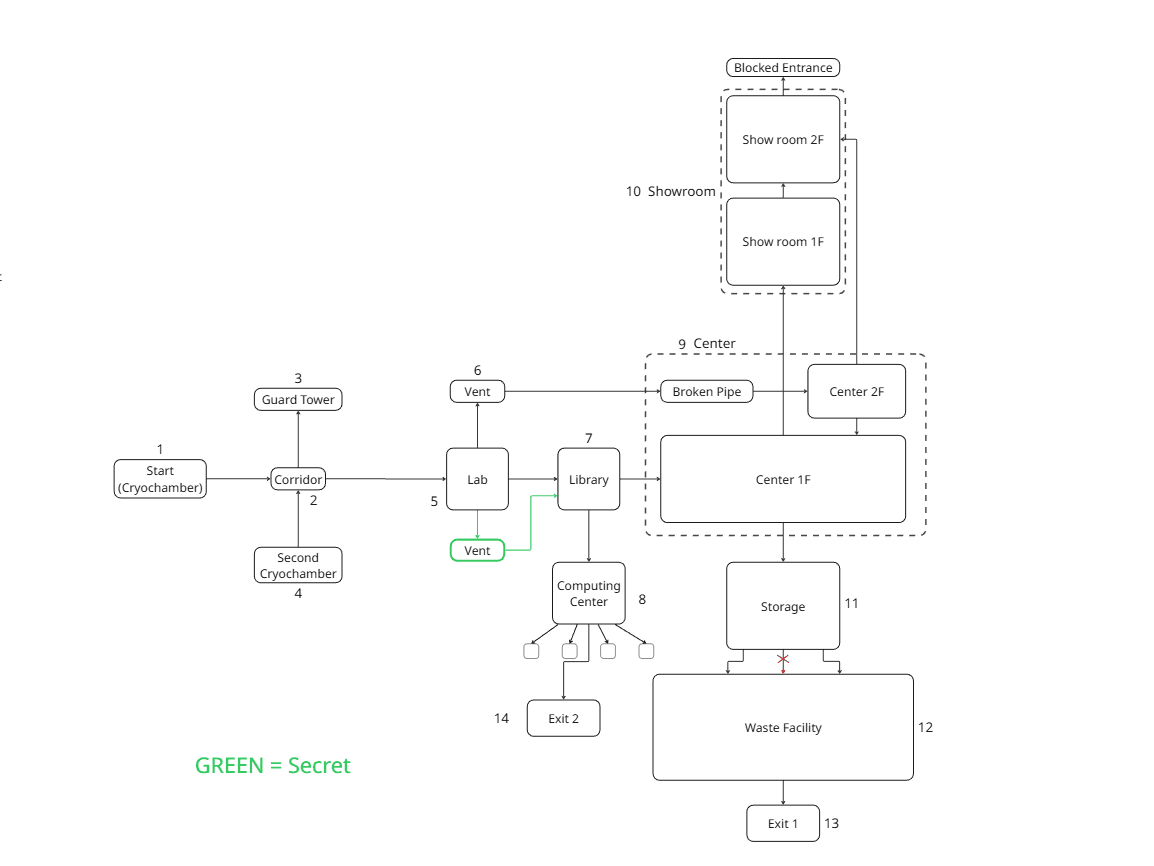
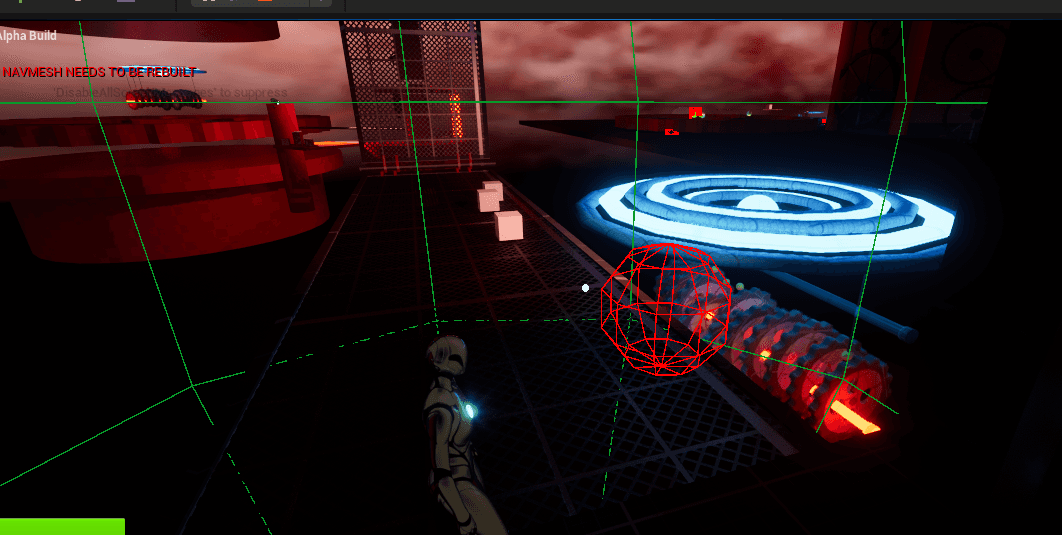
After balancing the degrees of freedom, our levels remain linear in the initial stages, but later, as players gain more abilities, they can explore different paths leading to different areas, and there are also two possible escape routes at the end.
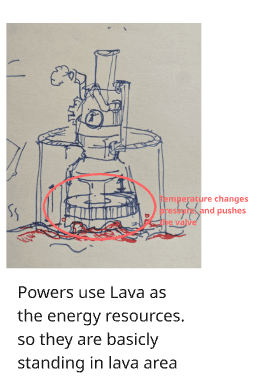
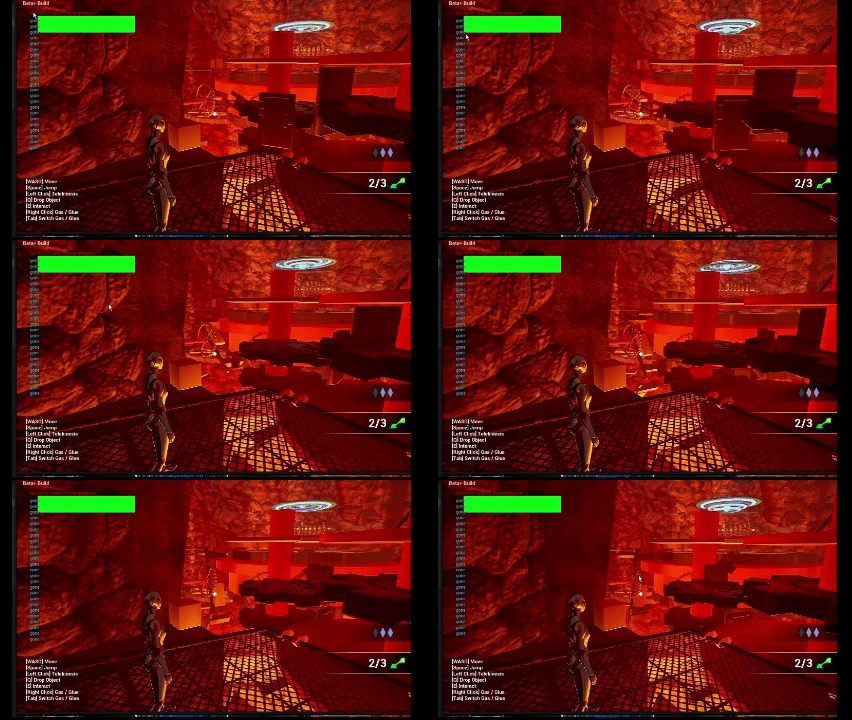
Level Props
Interactive Props blend with gameplay loop
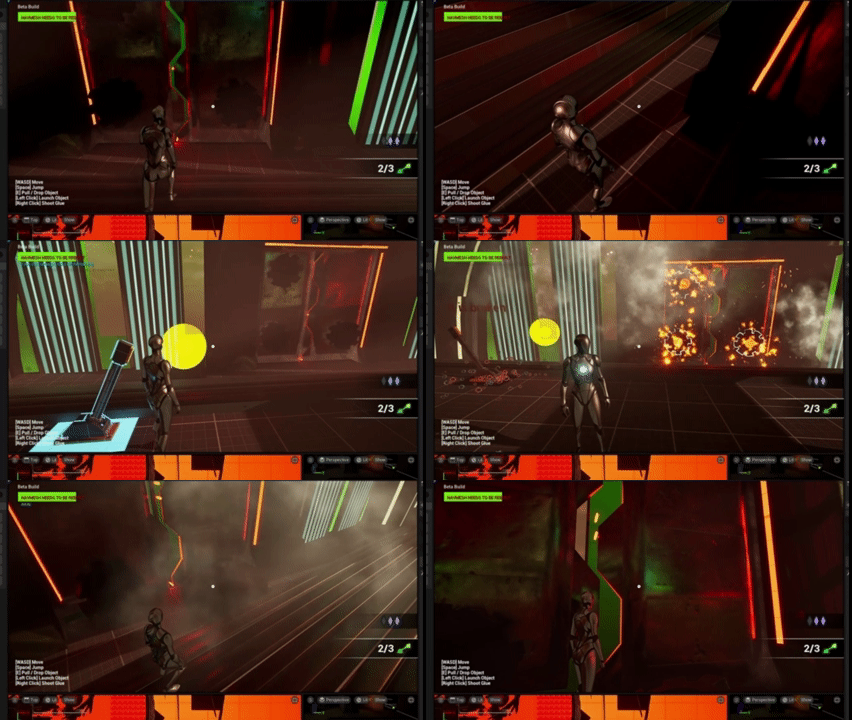
All level props were designed around physics-based interaction, supporting the three core player powers: Telekinesis, Glue, and Zero-Gravity Gas. This allowed players to experiment freely and solve challenges in multiple ways.
I implemented them using UNREAL's physics simulations, Chaos system and blueprints.
Puzzle Props
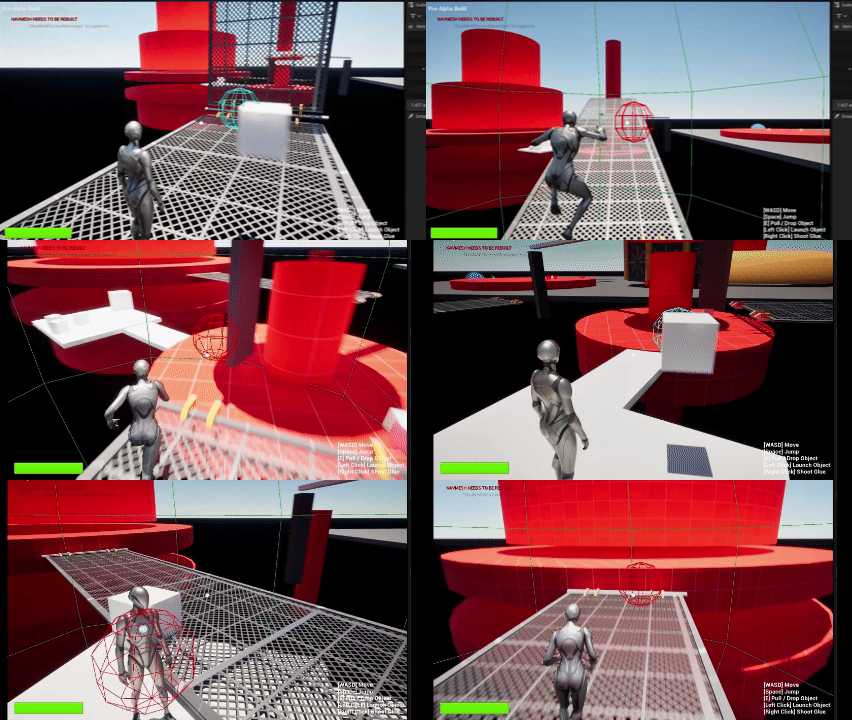
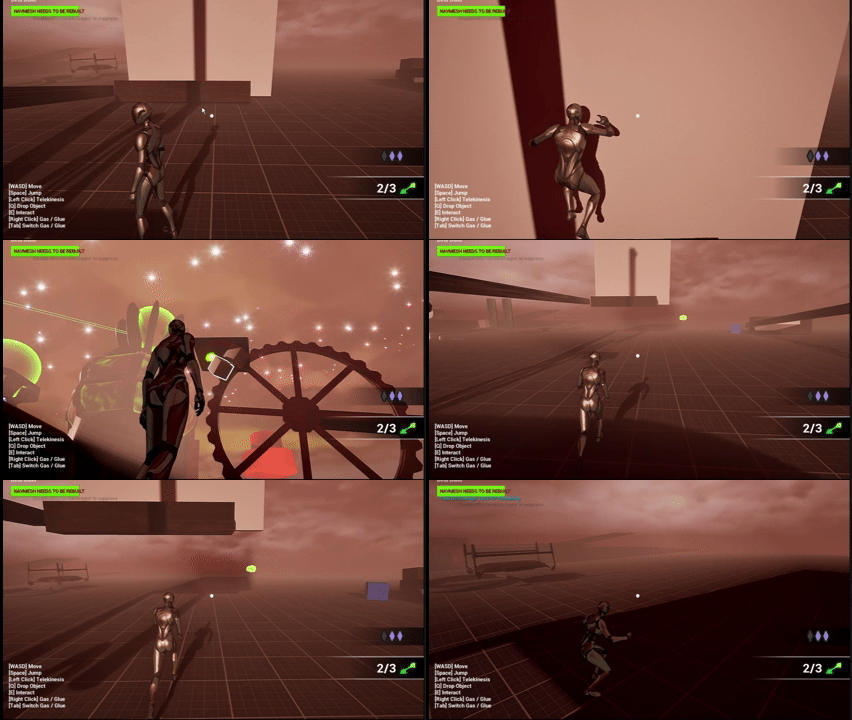
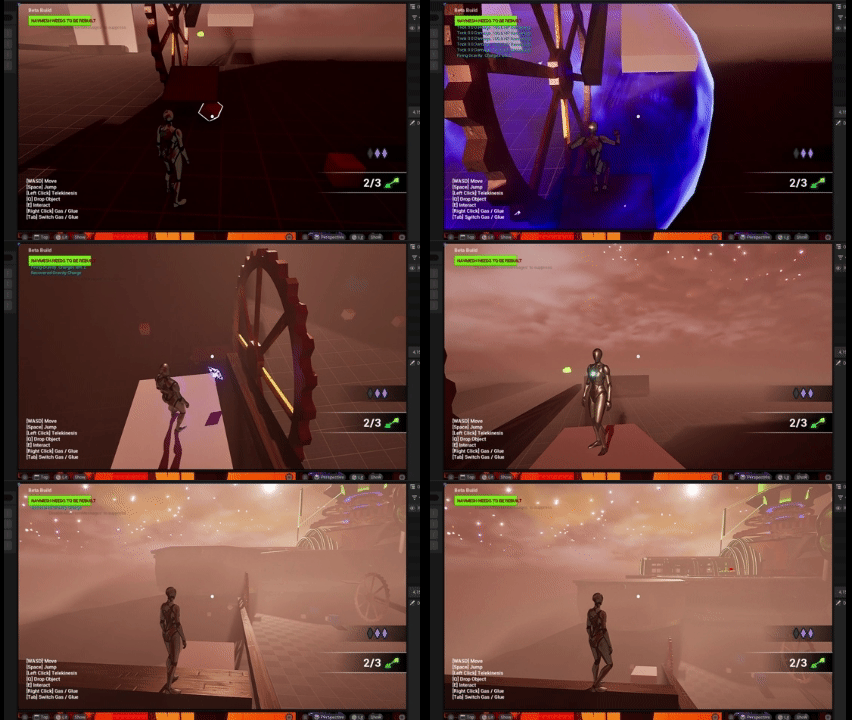
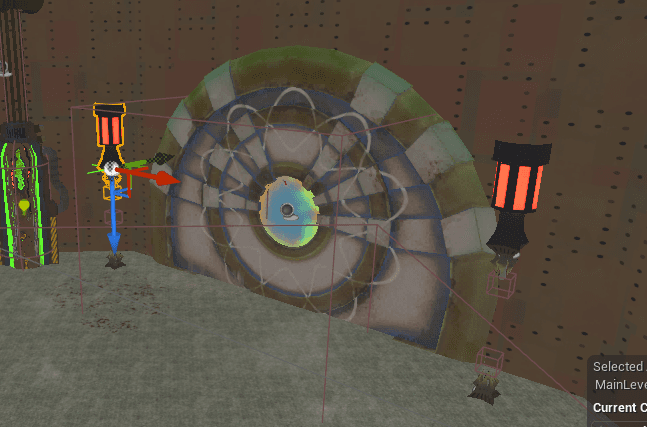
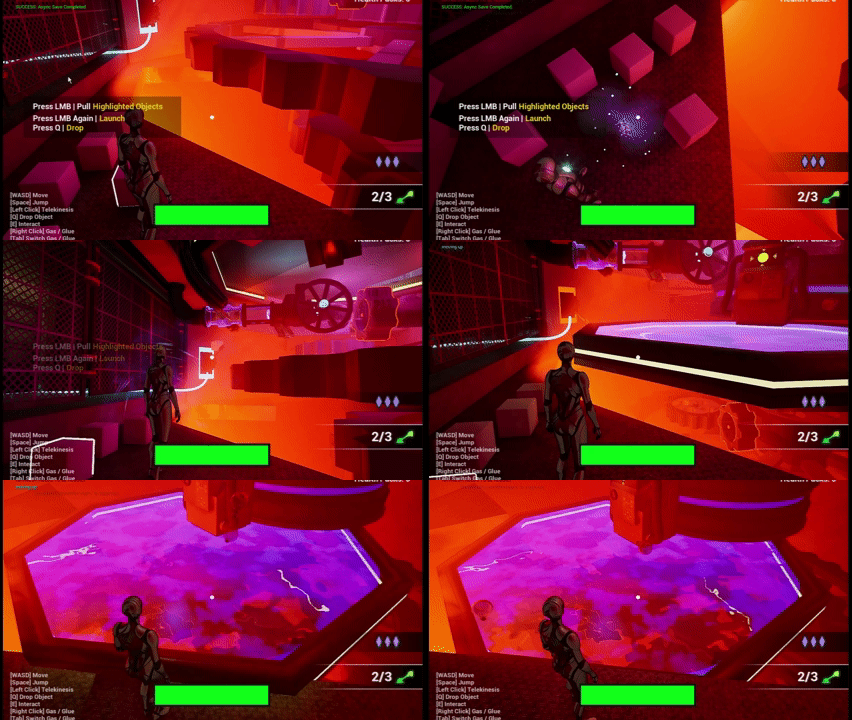
Physics-driven objects such as hinged boards, trap doors, and rotating components. These props were built using physics simulation and Blueprints, allowing players to combine powers creatively rather than relying on a single solution.

Progression-Gated Props
Certain level elements were designed to teach or reinforce specific powers, such as glue-based traversal doors and sinking platforms that require Zero-Gravity Gas to escape. These ensure players understand each ability through interaction rather than tutorials.
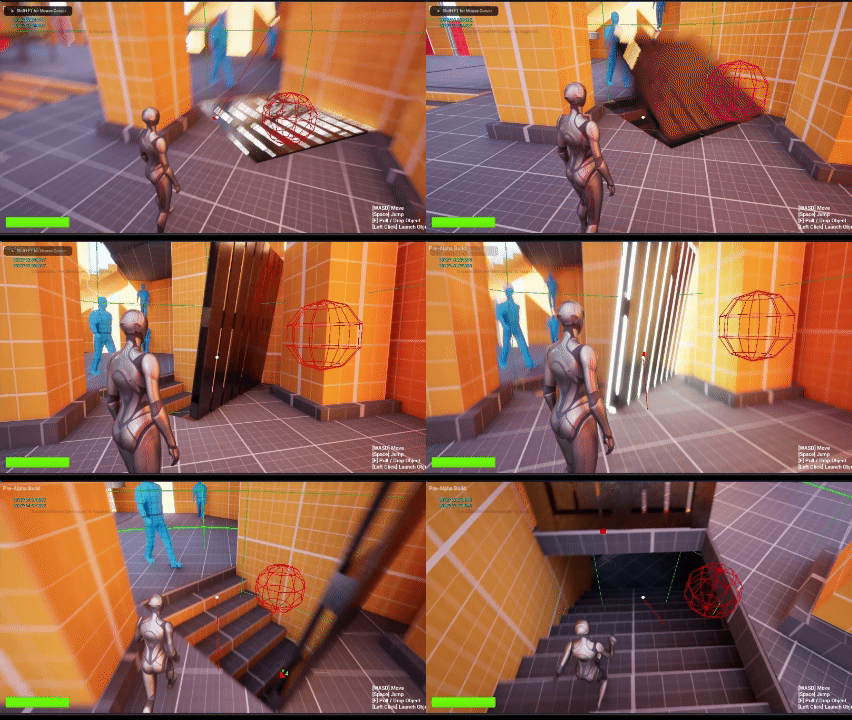
Interactive Environment Props
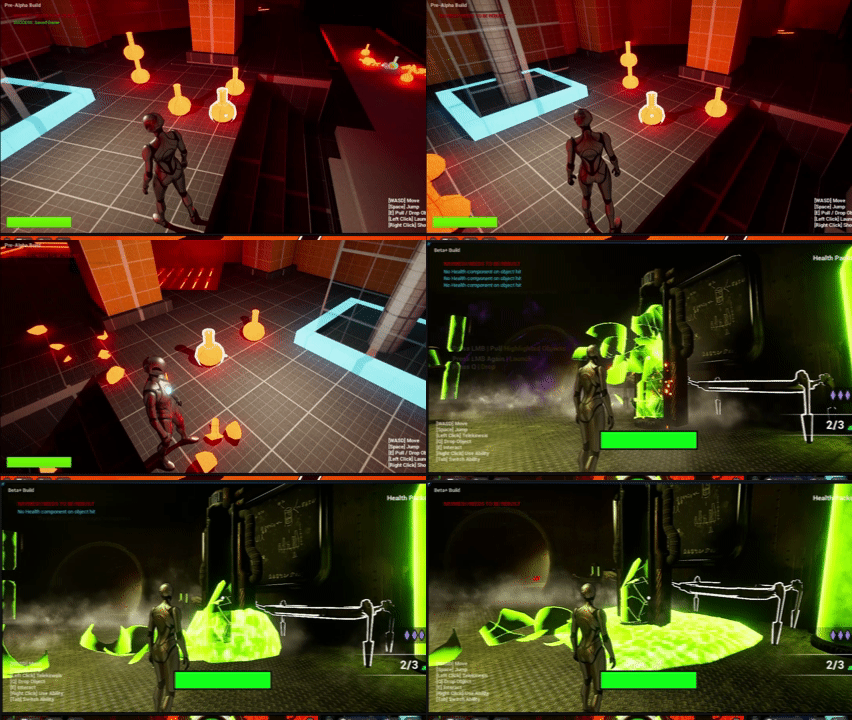
Environmental objects, such as breakable glass and leaking liquids, were implemented to enhance player feedback. These interactions emphasize the impact of player powers and create a more satisfying, reactive environment.
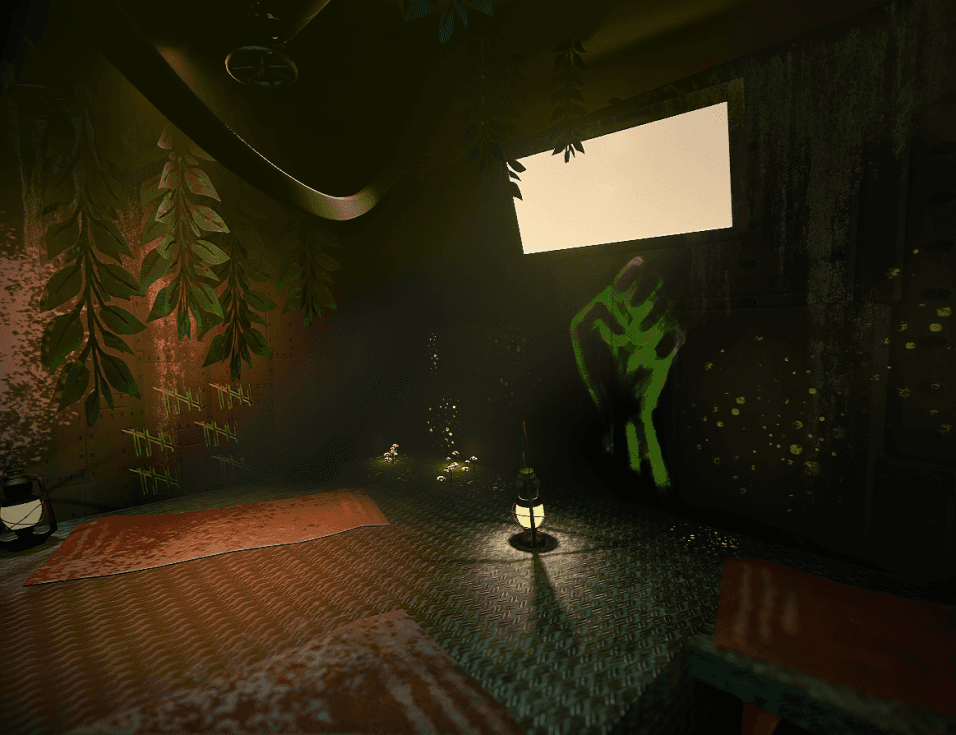
Some props also works in narrative way.
Iterations
Goals and Timeline for the whole project
Throughout development, the level evolved alongside gameplay systems and player abilities. My iteration focus shifted from establishing clear spatial flow, to supporting physics-driven interactions, and finally to improving player experience and understanding through feedback and polish.
Core Challenge: Player Guidance in a Sandbox Spaces
One of the biggest challenges in this project was player guidance. Early playtests showed that players often felt lost, especially when introduced to multiple physics-based powers in an open, sandbox-style environment.
Our design goal was to balance player freedom with clear directional guidance. To address this, we iterated on environmental cues, level flow, and power-gated interactions to teach mechanics through play rather than explicit instruction.

To address the issues appeared from playtests, I didn't only adjust level, but also introduced a wider range of interactive and physics-driven props, using them to both teach power usage and refresh gameplay pacing, helping players stay engaged without relying on linear paths or explicit tutorials. While production time limited how much content we could add compared to mature sandbox titles, these iterations significantly improved player understanding without sacrificing experimentation.
Toolkit
Software and Knowledge used for solutions
Cooperation
" height="36.3855px" id="etcR7AMq9" transform="translate(0 6)" width="48.00001551678397px"/><path d="M 4.327 9.601 C 1.962 9.601 0 7.457 0 4.805 C 0 2.154 1.886 0 4.317 0 C 6.749 0 8.682 2.163 8.644 4.805 C 8.606 7.447 6.739 9.601 4.327 9.601 Z M 20.275 9.601 C 17.901 9.601 15.958 7.457 15.958 4.805 C 15.958 2.154 17.843 0 20.275 0 C 22.706 0 24.63 2.163 24.592 4.805 C 24.554 7.447 22.687 9.601 20.275 9.601 Z" fill="rgb(255, 255, 255)" height="9.601299999999998px" id="Jpr9kZLwh" transform="translate(11.698 21.192)" width="24.592561651438373px"/></svg>)
" height="202px" id="RtZbTSWIg" transform="translate(-1 -1)" width="202px"/></svg>)
" height="200.99999115777644px" id="ODFLP1hSU" transform="translate(-0.5 -0.5)" width="200.99999383316685px"/></svg>)
Physics Simulation
Unreal Chaos System
Architecture
UI prototype
Reflection
My Thoughts for the whole project
NEILA taught me how to balance sandbox freedom with clear player guidance in a physics-driven level. Through playtesting, I learned to rely on environmental cues and interactive props to teach mechanics and maintain engagement, while working within real production and time constraints.
Back To Top